Disclaimer: The results provided by this calculator are for informational and educational purposes only and should not be considered professional advice.
Accuracy is not guaranteed, and you should consult a qualified professional for decisions related to finance, health, legal matters, or medical treatment.
By using this tool, you acknowledge that CalcZen.com is not responsible for any actions taken based on its results.
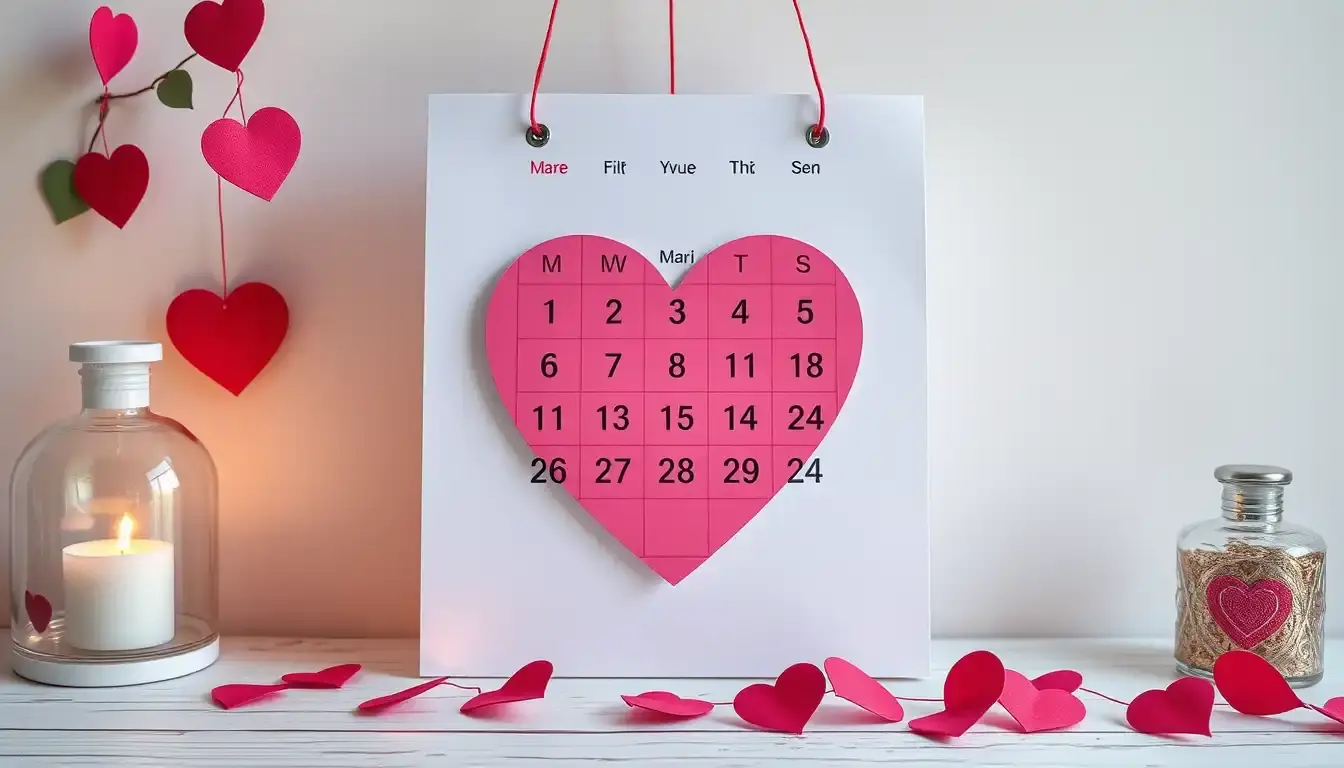
Finding Your Flow: The Essential Guide to the Time Between Dates Dating at Calczen.com
C
CalcZen.com
Updated: Jul 13, 2026
We’ve all been there. You just finished a fantastic first meeting—the conversation flowed, the laughter was genuine, and you walked away feeling that unmistakable buzz. But as soon as you get home, the internal monologue starts: "When should we meet again? Is tomorrow too soon? Is next week too far?"
Navigating the time between dates dating is an art form in itself. It’s that delicate period where interest is built, mystery is maintained, and foundations are laid. If you go too fast, you risk burnout; too slow, and the spark might flicker out. Today, we're diving deep into how to manage that rhythm like a pro, ensuring your romantic journey is as smooth as possible.
Why Pacing Matters More Than You Think
In the age of instant gratification, we often want to jump straight into the deep end. However, the interval between your encounters serves a vital purpose. It allows both parties to process their feelings and integrate the new experience into their daily lives. Think of it as the "digestive period" for your emotions.
When we talk about the time between dates dating, we aren't just counting hours; we're measuring the growth of anticipation. Research into human psychology suggests that the "anticipatory phase" can often be as pleasurable as the event itself. By spacing out your meetings, you’re actually enhancing the value of the time you spend together.
Pro Tip from the Calczen Team: Quality always trumps quantity. Meeting once a week with full presence and excitement is infinitely more powerful than three times a week out of a sense of obligation or anxiety.
The Stages of Connection: A Timeline
Every relationship has its own unique heartbeat, but there are some common patterns that can help you find your bearings. Let's break down how the time between dates dating usually evolves as you get to know someone.
The Early Exploration (Dates 1-3)
This is the most sensitive phase. You're essentially strangers testing the waters. Usually, a gap of 4 to 7 days is the "sweet spot." It’s long enough to show you have your own life (which is attractive!) but short enough to keep the momentum going. If you wait longer than 10 days, you might find yourself having to "restart" the energy from scratch.
The Building Phase (Dates 4-8)
By now, there’s a established rapport. You might start seeing each other twice a week—perhaps one weeknight and one weekend afternoon. The time between dates starts to shrink naturally as you become a more regular part of each other's schedules. This is where you transition from "guests" in each other's lives to "participants."
The Integration Phase (Date 9 and Beyond)
At this point, the rigid counting of days usually falls away. You might spend entire weekends together or see each other three or four times a week. The focus shifts from when you meet to how you grow together. However, even here, maintaining some individual space is the secret sauce to long-term success.
Common Pitfalls to Avoid
Even the most seasoned daters can trip up when the chemistry is high. Here are a few things to keep in mind while you're navigating those gaps between meetups:
The Texting Trap: Just because you aren't physically together doesn't mean you should be digitally inseparable. Constant texting can create a "false intimacy" that doesn't always translate to real-life connection.
The "Available" Myth: You don't need to be busy just for the sake of looking busy, but you should have a life that fulfills you. If you're always available the second they ask, it can inadvertently signal a lack of personal boundaries.
Ignoring Your Intuition: If it feels too fast, it probably is. If you feel like you're being "bread-crumbed" (too much time passing without a plan), listen to that feeling.
The Science of Social Rhythms
Interestingly, the time between dates dating can be viewed through the lens of social engineering. We are creatures of habit. When we introduce a new person into our weekly "cycle," our brains have to rewire certain expectations. This is why a consistent rhythm is often more important than the actual number of days. If you always meet on Tuesdays, that consistency builds a sense of safety and reliability.
For more on the history of courtship and how timing has changed over the decades, you can check out the evolution of dating rituals. It’s fascinating to see how we’ve moved from formal weekly supervised visits to the "whenever, wherever" culture of today.
Calculate Your Life with Confidence
Numbers shouldn't be a headache. Whether you're planning your schedule, managing your finances, or just curious about the math of daily life, we've got you covered with clean, fast, and ad-light tools.
If you find that the pacing is off, the best solution is always direct, kind communication. You might say, "I’m having a blast getting to know you, but I really value my 'me-time' during the week to recharge. Can we aim for a weekend hangout?" Most people find this level of self-awareness incredibly refreshing.
Ultimately, the time between dates dating is a personal choice. There is no "right" answer, only what works for you and the person you're seeing. By being intentional with your time, you're showing respect for yourself and the potential relationship you're building.
At Calczen.com, we believe that when you have the right information and the right tools, everything—from your budget to your social calendar—becomes easier to manage. We're here to help you crunch the numbers so you can focus on the moments that truly count.