Disclaimer: The results provided by this calculator are for informational and educational purposes only and should not be considered professional advice.
Accuracy is not guaranteed, and you should consult a qualified professional for decisions related to finance, health, legal matters, or medical treatment.
By using this tool, you acknowledge that CalcZen.com is not responsible for any actions taken based on its results.
Master Your Drive: Why You Need a Reliable Tyre Size Calculator from Calczen.com
C
CalcZen.com
Updated: Jul 08, 2026
We’ve all been there. You’re staring at the side of your car, squinting at a string of numbers that looks more like a secret code than a guide to your vehicle’s safety. 225/45 R17? It sounds like a coordinate for a treasure hunt, but in reality, it’s the DNA of your car's performance. Choosing the right tires isn't just about finding something that "looks cool" or fits the rim; it’s a delicate balance of physics, safety, and engineering.
If you've ever thought about upgrading your wheels or simply wondered if those slightly wider tires on sale would actually work on your sedan, you’ve probably realized that "guessing" is a recipe for a bad time. That’s exactly why a high-quality tyre size calculator is the best friend you didn’t know you needed. Today, I’m going to walk you through everything you need to know about tire dimensions, why accuracy matters, and how Calczen.com makes this whole process painless.
The Anatomy of a Tire: Cracking the Code
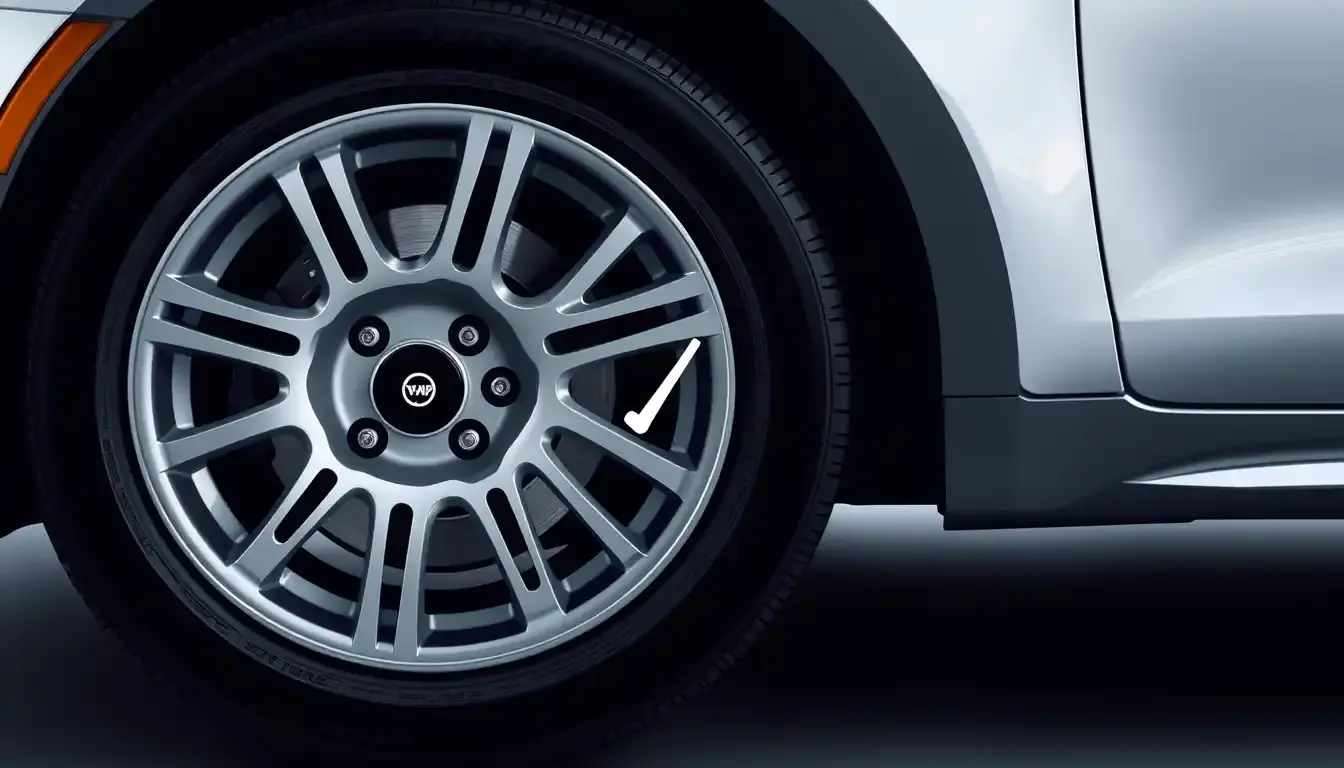
Before we dive into the math, we have to understand the language. Most people know that tires are round and made of rubber, but the numbers embossed on the sidewall tell a much deeper story. When you use a tyre size calculator, you're essentially translating these three key metrics:
Width (e.g., 225): This is the width of the tire in millimeters from sidewall to sidewall.
Aspect Ratio (e.g., 45): This is the height of the sidewall as a percentage of the width. In this case, the height is 45% of 225mm.
Rim Diameter (e.g., 17): The diameter of the wheel in inches. Yes, we mix metric and imperial here—don't blame me, I just report the numbers!
Pro Tip: Changing any one of these numbers affects the overall diameter of your wheel. If your new diameter is more than 3% different from the original, your speedometer will lie to you, and your transmission might get grumpy. Always double-check your specs!
Why "Close Enough" Isn't Enough
I’ve seen plenty of DIY enthusiasts try to eyeball a tire upgrade. "It looks like it fits," they say, right before the tire rubs against the wheel well during a sharp turn. This is where the tyre size calculator shifts from being a "neat tool" to an absolute necessity for your vehicle's health.
1. Speedometer Accuracy
Your car’s computer calculates speed based on how many times the tire rotates. If you put on a larger tire, it covers more ground per rotation. Without adjusting, your speedometer might read 60 mph while you’re actually doing 64 mph. That’s a great way to get a ticket you didn’t earn.
2. Handling and Safety
Tires are part of your suspension. A sidewall that is too tall might feel "mushy" in corners, while one that is too thin (low profile) might look great but turn every pothole into a spine-jarring event. Using a comparison tool allows you to see exactly how your ride quality will change before you spend a dime at the shop.
3. Clearances and Rubbing
The space inside your wheel well is tighter than you think. Increasing the width can lead to the tire hitting the suspension struts or the inner fender. A professional-grade calculator helps you visualize the "poke" and "stretch" to ensure your car stays drivable.
How to Use a Tyre Size Calculator Like a Pro
Using our tools at Calczen isn't rocket science, but there is a bit of a strategy to getting the best results. Whether you’re browsing for Construction & DIY Estimators or automotive guides, the process is similar:
Input your OEM specs: Always start with the tire size recommended by your manufacturer. You can find this on a sticker inside the driver’s door jam.
Enter your "Dream" size: Put in the dimensions of the tires you're considering.
Analyze the Diameter Variance: Look for the percentage difference. The "Golden Rule" in the industry is to stay within +/- 3% of the original diameter.
Check the Sidewall Height: Ensure you aren't losing too much "cushion," especially if you live in an area with bad roads.
I remember trying to fit some beefy all-terrains on my old truck without checking a calculator first. I ended up having to trim the bumper with a saw just to get out of my driveway. Learn from my mistakes—use the tool!
The Math Behind the Magic
For my fellow nerds who want to know how the gears turn, calculating tire diameter is a classic bit of geometry. The formula looks something like this:
Total Diameter = Rim Diameter + (Width × Aspect Ratio × 2)
But wait, the rim is in inches and the width is in millimeters! To get a final answer in inches, we have to convert that metric mess. We divide the metric part by 25.4. It’s a lot of tapping on a handheld device, which is why a dedicated tyre size calculator is so much faster. You get the answer in milliseconds rather than scratching your head with a pencil and paper.
If you're interested in the deep history of these standards, checking out the Wikipedia entries on tire codes can be a fascinating rabbit hole into the world of international manufacturing standards.
Ready to Calculate Smarter?
Don't leave your vehicle's performance to guesswork. Whether you're upgrading your rims or replacing worn-out rubber, Calczen.com offers the cleanest, fastest, and most accurate tools on the web.
At the end of the day, your tires are the only thing connecting your car to the pavement. They affect your braking distance, your fuel economy, and your peace of mind. Investing five minutes in a tyre size calculator today can save you hundreds of dollars in mechanical repairs or "oops" purchases tomorrow.
At Calczen.com, we believe that math shouldn't be a barrier to doing things right. We’ve built our site to be a no-nonsense, ad-light sanctuary for anyone who just wants the right answer, right now. So, go ahead—bookmark the site, run your numbers, and drive with the confidence that only comes from being 100% sure of your specs.